Skip to lesson
SkillrHubAustralian Curriculum

FOUNDATION SCIENCE · AC9SFI02

Look closely. Investigate safely.

Follow instructions, use tools carefully and make observations with safe senses.

WORKED EXAMPLE

Which observations are safe?

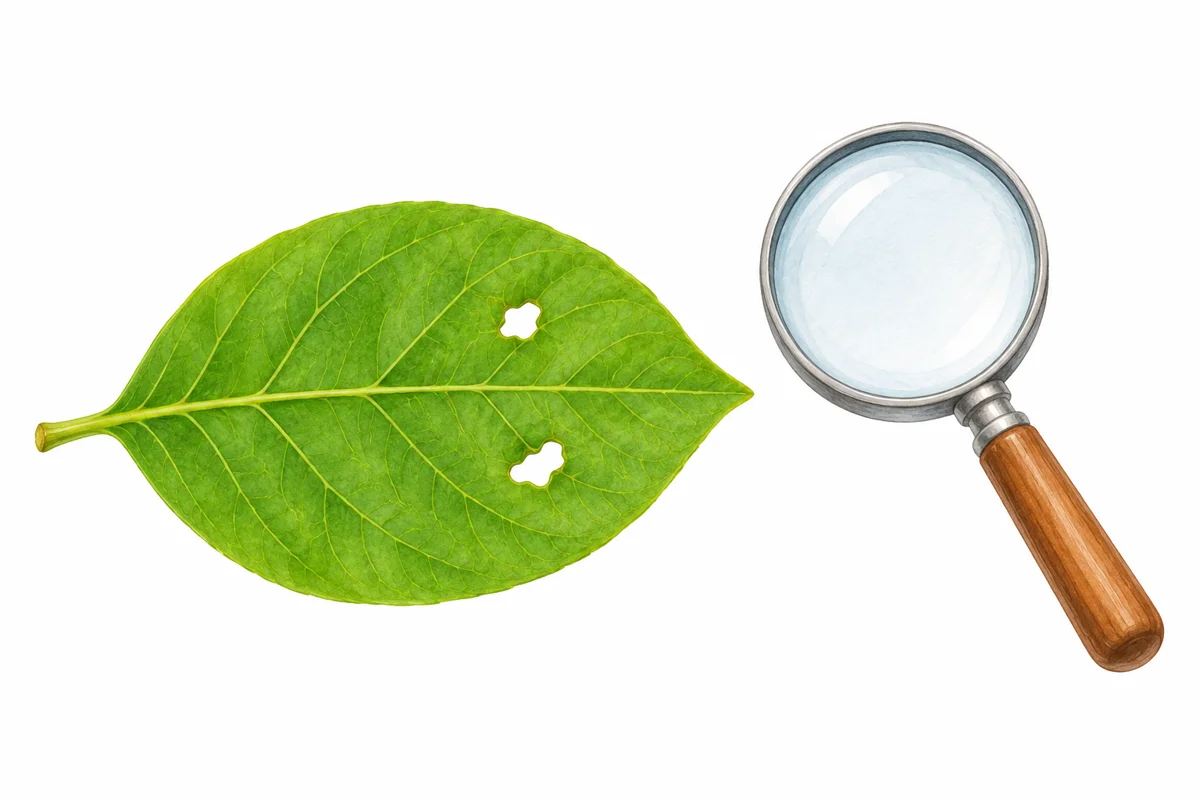
A green leaf and a magnifying glass shown on a white background.
With adult guidance: look at the leaf, use a magnifying glass and draw the lines you see.
Do not: taste the leaf, touch an unfamiliar plant or look at the Sun through the magnifying glass.

Choose senses and tools that are safe for this investigation. You do not need to use every sense to make a useful observation.

Learn the skill

1. Listen before starting

Check the instructions, boundaries and equipment with an adult. Walk with tools. Outdoors, follow sun protection and leave living things undisturbed.

Stop and ask

You find an unfamiliar berry on a nature walk.

StopAsk
Unfamiliar berryTell the adult; leave it alone
Try it · Should you taste it to investigate?

No. Leave it alone and tell the adult. Do not taste investigation materials.

2. Match the sense to the evidence

Sight helps with colour, shape and movement. Hearing helps with sounds. Only touch or smell when an adult says it is safe; do not bring unknown substances to your nose.

Two safe observations

An adult provides a safe block. You see a brown surface and, with permission, feel a rough edge.

EvidenceSense
BrownSight
Rough edgePermitted touch
Try it · Which sense tells you the edge is rough?

Touch. Seeing brown does not tell you how the edge feels.

3. Use a tool and record

Tools can make details easier to observe. Use them as directed, then draw, count, dictate or photograph what you actually noticed.

Choose a safe tool

A bird is far away. An adult helps you use binoculars from a safe place.

Leaf with two holes and a magnifying glass.
Try it · Do you need to approach or touch the bird?

No. Observe without disturbing it. Never point binoculars towards the Sun.

Three tricky questions

1. A berry looks familiar. Is that enough reason to taste it during an investigation?

No. Do not taste investigation materials. Leave it alone and ask the adult.

2. Can you tell that cloth feels soft just because it is blue?

No. Colour is a sight observation. Touch needs permission and provides different evidence.

3. You want a closer view of a bird. Must you go closer?

No. An adult can help you use binoculars safely from a suitable place. Do not disturb the bird.

FAQ

Can we use smell?

Only when the adult explicitly approves and explains the method. Do not smell unknown substances.

What counts as a record?

An accurate drawing, number, dots, dictated words, photograph or voice recording can record an observation.

Related topics

How people learn about nature

Records and patterns

Explore Foundation Science
More teaching examples and curriculum coverage
🎯 Learn the key ideaStart here
Explain, check and applyReason
👀 Model and worked examplesLearn
📚 Key words4 words
🧠 Try it in different waysApply
⚠️ Common mistakes and fixesFix errors
✅ Quick checkCheck
📝 Revision NotesRemember
🇦🇺 Australian Curriculum coverageE1–E4
Classroom View and written resources

Classroom View for AC9SFI02 · Browse paid worksheets

Practice for this code is not currently listed as published. Explore the app to see available learning.

About this resource, access and review

Published and maintained by SkillrHub. Australian Curriculum v9 code: AC9SFI02.

Free learning resources and examples for this Australian Curriculum topic. Try free practice questions in published banks and save progress with a free account, confirmed email and selected learner profile. Optional paid worksheet packs are separate.

Supported guests: 20 free questions daily. Registered accounts: 500 free questions in total across subjects, including guest questions already used. Some banks require an account. Read the access details.

Matching Practice and Test question-bank review recorded on by the SkillrHub content team. This record applies to the question banks.

Read our editorial standards · Report a correction for AC9SFI02

Practise this on the app →